
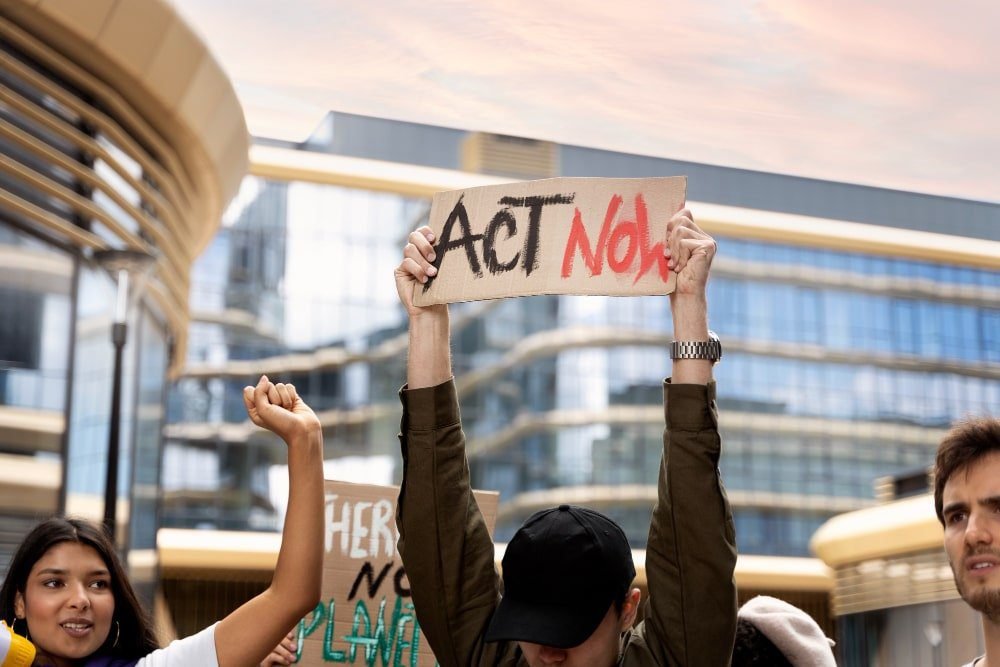
Imagine a world where protests lead to real dialogue. Where tensions don’t spiral out of control. That’s the power of public mediation for peaceful protests. This process creates a bridge. It connects protestors, authorities, and communities. Its goal is clear: de-escalate tensions. Then, it seeks constructive outcomes. Mediation ensures demonstrations stay productive. It keeps them peaceful for everyone involved.
You’re here to understand something important. How can mediation prevent things from escalating? How does it protect rights? How does it foster real dialogue? This article is your guide. We’ll explore the mediator’s role. You’ll learn best practices. Plus, we’ll cover the benefits of being proactive.
The Core Benefits of Public Mediation for Peaceful Protests
Protest mediation offers huge advantages. It shifts situations. We move from confrontation to collaboration. This approach helps resolve conflict effectively. It happens right there, during demonstrations.
Preventing Escalation and Protecting Rights
Mediation can stop situations cold. It prevents them from turning violent. It creates a structured space. This is for open dialogue. Early intervention means fewer reactive measures. This proactive stance protects everyone’s rights. All participants benefit. It also helps manage public order events. Want to learn more? Explore the advantages of mediation over lawsuits. It’s worth reading.
Fostering Dialogue and Understanding
Effective non-violent protest dialogue builds crucial bridges. It allows all voices to be heard. Diverse stakeholders can voice concerns. This includes protest organizers. It also involves law enforcement. And of course, community members. When we understand underlying grievances, mediation can act. It addresses root causes. This builds long-term trust. It also improves community relations. You’ll find this value highlighted in The Role of Dialogue and Mediation.
Achieving Legitimacy and Compliance
When agreements are reached, people own them. Through mediation, parties create solutions. This leads to greater public acceptance. It really helps. It reduces future unrest. Mediated solutions feel more legitimate. This boosts compliance from all sides. It fosters sustainable peace. That’s vital for managing dissent with mediation.
From Informal Dialogue to Formal Protest Mediation
Public demonstration conflict resolution isn’t one-size-fits-all. It’s a spectrum of engagement. Not every moment needs a formal mediator. Knowing which approach to use is crucial.
Continuum of Engagement
Some situations are perfect for informal dialogue. Police liaison officers might get involved. They can open up communication channels. Other times, a more structured process is needed. Formal mediation means a neutral third party steps in. This person guides discussions. Different levels of intervention are emphasized in police mediation of public order events.
When Formal Mediation Becomes Essential
Formal mediation becomes really important sometimes. It’s crucial when informal talks hit a wall. Also, when emotions run high. Or if power imbalances exist. A neutral mediator can help. They create a safe space. It’s for those tough conversations. Formal processes guarantee fairness. They add structure. This is critical for resolving conflict. Especially in non-violent protests through mediation.
Essential Skills for Effective Public Mediation
A mediator’s job in public protests demands specific skills. These competencies are vital. They ensure success. They enable effective dialogue facilitation. It’s key during protests.
Active Listening and Emotional Intelligence
Mediators must listen. They listen without judgment. They need to grasp unspoken feelings. Emotional intelligence helps manage intense emotions. This skill builds trust. It’s between all parties. Understanding diverse perspectives relies on it. To develop these skills, check out our neuroscience-backed mediation page.
Maintaining Neutrality Amidst Power Imbalances
True neutrality can be tough. It’s a real challenge. Mediators must stay impartial. This holds true. Even when rights violations seem clear. They must empower weaker parties. They also ensure every voice is heard. This delicate balance demands great skill. Challenges and Ethical Considerations explores these complexities.
Understanding Group Dynamics
Protests involve many people. These groups often hold varied internal views. A mediator navigates these dynamics. They identify key leaders. They also help build consensus. This happens within each group. It ensures wide acceptance. All agreements rely on it. For general insights into multi-party mediation, you might find this resource helpful.
Navigating Ethical Dilemmas in Protest Mediation
Mediators face unique ethical challenges. These situations require careful thought. Maintaining trust and integrity is paramount. It’s absolutely essential.
Impartiality vs. Perceived Injustice
Mediators must remain impartial. That’s the rule. But participants might feel one side is unfair. It’s vital to acknowledge feelings. Do this without taking sides. Focus on interests, not positions. This helps. It keeps the mediator credible. It also promotes fair dialogue. Our article on enhancing fairness in mediation offers valuable insights.
Confidentiality and its Limits
Confidentiality builds trust. It’s core to mediation. Yet, in public protests, information may need sharing. Mediators must clarify limits early on. They ensure parties understand. What stays private? What gets shared? This transparency is crucial. It supports the whole process. Discover more on mediation confidentiality.
A Practical Guide: Steps for Public Mediation During Protests
How do you mediate a protest? It needs a structured plan. Here are the critical steps. These ensure effective public mediation for peaceful protests.
Pre-Mediation Assessments and Preparation
Preparation is key. It’s for successful protest mediation. First, identify all stakeholders. Map out their interests and concerns. Build initial trust. Connect with both protest organizers and authorities. This pre-mediation assessment creates a strong foundation. ACR publications offer resources on building that trust.
Facilitating Dialogue (During Protest Strategies)
During a protest, mediators do a lot. They set clear ground rules. They ensure everyone can speak. They help reframe inflammatory statements. Their goal is understanding. Mediators manage emotions. They keep discussions focused. This makes dialogue possible. Even in tense moments.
Post-Mediation Follow-Up and Accountability
Agreements need monitoring. Follow-up ensures compliance. Parties should define how they’ll be accountable. This stops re-escalation. It builds confidence in the process. This helps achieve lasting peace.
New Frontiers in Protest Mediation
Modern protests bring new challenges. But also new opportunities. Innovative approaches are evolving. These unique angles show how mediation adapts.
Mediators as Bridges: Equipping Organizers
Empowering protest leaders is powerful. Give them mediation skills. It’s a unique strategy. It helps them manage internal dissent. They can also communicate externally. This builds stronger movements. They become more cohesive. It allows for internal conflict resolution.
The Digital Dimension of Protest Mediation
Conflicts often start online today. Or they escalate there. Mediators must navigate digital misinformation. They can help coordinate messaging. Both online and offline. Using social media for communication? It’s becoming vital. Our digital mediation page offers insights. It covers online dispute resolution.
Community Resilience: Building Trust Before the Storm
Communities can create something truly special. Permanent mediation panels. These panels can activate during protests. This is a proactive strategy. It builds trust. It creates ongoing community peace infrastructure. This strengthens a community’s ability. It helps handle future conflicts. Mediators Beyond Borders advocates for such initiatives.
What Happens When Public Mediation Fails?
Sometimes, mediation just doesn’t work. Despite our best efforts. It’s important to understand these scenarios. This prepares everyone. All parties know potential outcomes. Our article, what happens after failed mediation, guides you. It also covers when mediation doesn’t work.
Learning from Challenges and Mitigating Conflict
Failed mediation isn’t a dead end. It offers valuable lessons. Analyzing the breakdown helps improve future efforts. Why did it fail? Lack of trust? Unyielding demands? Understanding these pitfalls prevents more conflict. It shapes better strategies. Strategies for de-escalating tensions. Via protest mediation, that is.
Legal and Financial Aspects of Protest Mediation
Funding and legal standing are crucial. These practicalities really matter. They impact if mediation is available. And how effective it can be.
Funding and Resources for Community Mediation
Finding trained mediators is a challenge. Funding them can be, too. Communities can apply for grants. They can also partner. Work with non-profit organizations. Many offer conflict resolution resources. Professional mediator organizations list trained individuals. Explore top mediation resolution groups for more.
FAQs About Public Mediation for Peaceful Protests
- How can we get police and protest organizers to agree to mediation in the first place?
Building trust upfront is vital. Create communication channels early. Highlight the benefits of protest mediation. Talk about de-escalation and safety. An experienced mediator can often help. They facilitate this initial agreement. Showcasing successful efforts can persuade reluctant parties. It truly works.
- What are the critical steps for someone new to mediation to prepare for facilitating dialogue in a protest setting?
Start with formal training. Conflict resolution is key. Understand group dynamics. Boost your emotional intelligence. Conduct thorough pre-mediation assessments. Map out stakeholders and their interests. Seek guidance from experienced mediators. Practice active listening. Also, learn reframing techniques. This training is essential for public demonstrations.
- How can mediators remain truly neutral when one side has significantly more power or when there are clear rights violations?
Mediators stay neutral by focusing on interests. Not rigid positions. They empower all parties. Everyone gets to speak their truth. They ensure a fair process. Even if outcomes differ. Acknowledge perceived injustice without judgment. That’s vital. Their job is to facilitate dialogue. Not to judge or decide. This tackles a key challenge. It’s about public mediation in protest situations.
- What are some real-world examples where public mediation successfully de-escalated a potentially violent protest?
Many examples exist. Both historical and modern. Success often involves early engagement. They focus on dialogue for peaceful protests. Police-community dialogues in some cities helped. They reduced tensions. Agreements on protest routes often come through mediation. Or specific demands. These efforts prove its worth. Public mediation is crucial for peaceful demonstrations.
- What happens if mediation fails, and how can we mitigate further conflict?
If mediation fails, understand why. Document lessons learned. Consider other dispute resolution methods. Even partial success can build trust. A temporary pause can help. It allows for cooling off. Strategies for de-escalating tensions might need adjustment. Further conflict mitigation? Community leaders or other stakeholders might step in.
- Who pays for or funds public mediators for protests, and where can communities find trained mediators?
Funding comes from various places. Government grants, for instance. Non-profit organizations also help. Community foundations might contribute. Some professional mediators offer pro bono services. Communities find trained mediators through professional groups. National or regional mediation associations are a good start. Our professional team at SRG LLP has deep experience. We offer mediation and negotiation services. You can also consult with Robert Lapier, Shainey Himal, or Ruth Edelstein for expert guidance.
Conclusion
Public mediation for peaceful protests offers a vital path. It’s a path for dialogue and resolution. It turns potential conflict into constructive engagement. By embracing proactive strategies, we do more. We equip individuals with mediation skills. Communities can foster lasting peace. This process safeguards rights. It strengthens community bonds. It ensures demonstrations contribute positively to social change.
Ready to explore peaceful resolution? For expert guidance on conflict resolution or professional mediation services, please reach out. Contact us today. Our team is here to assist you.