
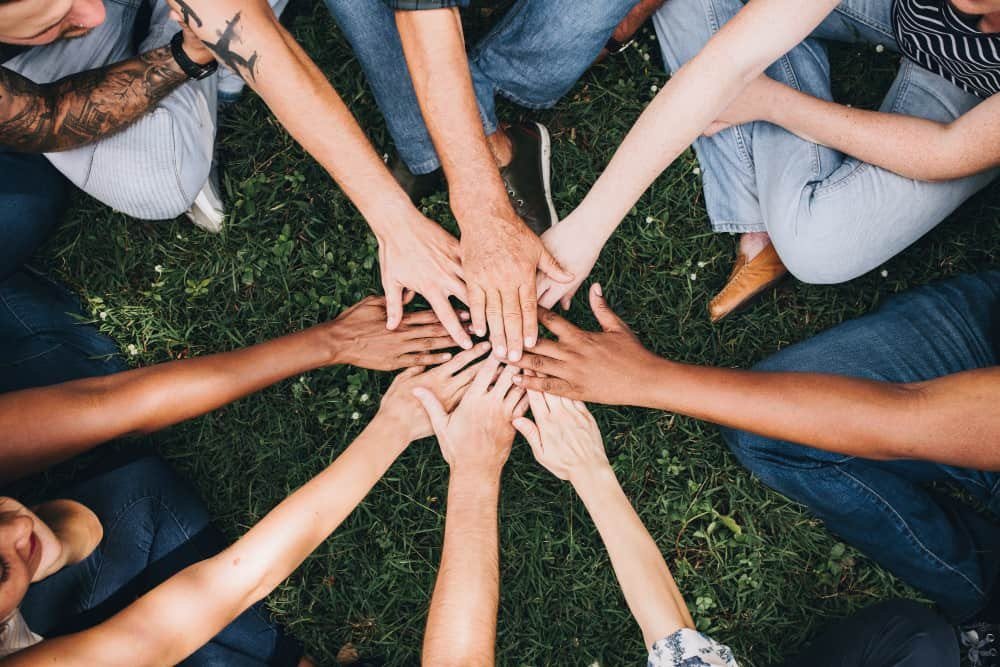
Community mediation offers a powerful path forward. It helps resolve conflicts. This approach builds stronger relationships. It works within our local communities. Think of it as a friendly alternative to formal legal processes. Many people want to understand community mediation. They ask about its uses. They also want to know its benefits. Our goal here is to give you clear, actionable insights. We’ll focus on grassroots conflict resolution.
This article will show how community mediation empowers individuals. It truly strengthens community bonds. We’ll cover everything today. From its core principles to new, exciting applications. Learn how you can get these vital services. Or, maybe you want to start a program!
What is Community Mediation?
Community mediation is a voluntary process. A neutral third party helps people. They are in a dispute. These parties work together. They find their own solutions. This method puts communication first. It builds understanding. It differs from traditional court proceedings. Also, it really focuses on maintaining relationships. That’s a huge difference.
Core Principles for Resolution
Several core principles guide community mediation. These ensure it’s fair. They also ensure it’s effective. First, participants engage voluntarily. They choose to resolve differences. Confidentiality protects all discussions. It shields shared information. The mediator stays impartial. They guide the process without judgment. This empowers individuals. They craft their own agreements. The National Association for Community Mediation (NAFCM) highlights these. Visit NAFCM.org to learn more. They are key to successful outcomes.
Want more insights on resolution methods? Read our guide on choosing the right approach.
Beyond the Courtroom: How It Differs
Community mediation truly stands apart. It’s not arbitration. It’s not litigation. Courts often impose decisions. Arbitration gives a binding award. Mediation, however, supports mutual agreement. It saves time. It also cuts legal costs. Plus, it preserves relationships. This is a key benefit, especially in community settings. It’s a practical choice. So many types of disagreements. Unlike the court, it is less formal. It’s more flexible. This helps parties maintain privacy. They keep control. You can learn more about the advantages of mediation over lawsuits.
Key Benefits of Community Mediation
The benefits of community mediation spread widely. They touch individuals. They impact the wider community, too. This method creates lasting change. It’s truly positive. It nurtures peace. It fosters understanding. What could be better?
Empowerment and Tailored Solutions
Community mediation empowers everyone involved. Participants actively shape their solutions. This avoids imposed outcomes. Imagine creating a solution that fits perfectly. It feels right. These solutions are often more creative. They are also sustainable. They really are tailored to specific needs. This self-determination builds confidence. It teaches valuable skills. It’s how we resolve conflict. The Dispute Resolution Centre of King County (DRC SKC) sees this. This empowerment is a cornerstone of their services.
Fostering Community Cohesion
Beyond individual disputes, mediation does more. It builds stronger communities. It promotes healthy dialogue. It encourages mutual respect. This truly strengthens communities. It brings people together. Neighbours learn to communicate better. This creates a more harmonious home. It fosters unity. Even in polarised communities. Mediation can even help in resolving family disputes amicably.
Practical Advantages: Cost, Time, Privacy
Community mediation offers big practical benefits. It’s often low-cost. Sometimes, it’s even free. This makes it accessible to all. The process is much faster. Faster than the court. This saves precious time. All discussions stay confidential. This protects your privacy. These advantages make mediation a preferred choice. It avoids litigation’s stress. It avoids the expense, too.
Common Disputes Handled
Community mediation addresses a wide array of conflicts. These range from small disagreements. They can even tackle complex issues. Its versatility is priceless. It helps many different kinds of parties.
Neighborhood and Property Conflicts
Many common disputes arise between neighbours. Think about noise complaints. Or property line disagreements. Pet nuisances are often an issue. Shared fence problems, too. Mediation offers a respectful way. A way to resolve these. It helps preserve neighbourly relationships. For disputes involving property, it’s key. Things like condominium issues. Learn more about condominium and real estate mediation.
Family and Youth Matters
Family disputes can affect community peace. These can also be mediated. They might involve generational conflicts. Youth mediation programs work well. They address peer conflicts. This teaches young people valuable skills. It stops escalation. Mediation for family mediation offers a constructive path. It keeps disputes out of court.
Broader Community Issues
Mediation can also tackle bigger community issues. This includes disputes. Disputes within homeowner associations (HOAs). It helps resolve conflicts. Conflicts related to public spaces. It also supports initiatives. Initiatives for peacebuilding. This proactive approach helps. It manages conflict effectively. It prevents small issues from growing. You can read more about conflict resolution in the workplace. It shares similar principles.
The Community Mediation Process: Step-by-Step
Understanding the mediation process is essential. It prepares participants. It ensures a productive session. The process is typically structured. Yet, it remains flexible.
From Intake to Agreement
The process usually starts with an intake. Here, a mediator gathers basic facts. Parties then meet. They meet with the mediator. Discussions focus on issues. They look at interests. Brainstorming solutions is a key step. The goal is a mutually acceptable agreement. If an agreement is reached, it’s written down. This outlines future actions. For a deeper dive, explore what happens in a mediation session.
The Mediator’s Crucial Role
The mediator is a neutral facilitator. They don’t take sides. They help parties communicate well. Their role manages the discussion. They ensure everyone has a voice. Mediators are trained experts. They have conflict resolution skills. They guide participants. They find common ground. They explore fair outcome options. This role is vital for success. Find out more about Robert LaPier, a key member of our team.
Accessing and Implementing Programs
Community mediation services are quite accessible. They’re available. Often, through local centres. Community leaders can also start programs. This empowers them. It builds conflict-resilient communities.
Finding Local Mediation Services
Many communities have dedicated centres. These centres offer low-cost services. Sometimes they are free. You can find them. Check local government websites. Referral services can also guide you. The NAFCM website provides a directory. It helps you find a centre nearby. Eligibility is usually minimal. It just needs willingness to participate.
Becoming a Community Mediator
Becoming a community mediator is rewarding. It means specialised training. This training covers techniques. Conflict resolution techniques. It also includes communication skills. And impartiality. Many centres rely on volunteers. They offer their own training. Certifications might be available. Volunteering is a great way to give back. It helps strengthen communities. It does so through dialogue.
Local Government and Program Development
Local governments play a vital role. They can support programs. They integrate mediation. Municipalities can allocate funding. They provide public spaces, too. Implementing projects needs careful planning. This includes resource allocation. And policy considerations. Local government programs foster civic engagement. Residents own local issues. The New York State Bar Association notes this. Government support helps centres thrive. Such initiatives lead to peaceful neighbourhoods. They create citizen dispute settlement programs. You can read more about the impact of government support at Mediate.com.
New Approaches to Community Conflict Resolution
Community mediation keeps evolving. New approaches tackle complex challenges. These innovations boost its impact. They help heal community divides.
Preventative Mediation: Building Resilience
Preventative mediation focuses on proactive measures. It teaches skills. Conflict resolution skills. This happens before disputes escalate. Workshops and education are key. These initiatives build resilient communities. They foster a culture of peace. A culture of dialogue. This approach helps manage neighbourhood conflict. It reduces future disputes. It’s a powerful tool. A tool for community development. The aim is to prevent small issues. To stop them from growing large.
Technology’s Role in Modern Mediation
Technology is changing community mediation. Online dispute resolution (ODR) tools are common. Virtual platforms make mediation accessible. They help dispersed communities. Even AI might support future efforts. Virtual mediation offers flexibility. It offers convenience. It bridges distances. It increases access. This is true for diverse communities. Our firm embraces such innovations. Like digital mediation.
Healing Divides: Beyond Simple Resolution
Community mediation can facilitate deeper healing. It moves beyond simple resolution. It helps reconciliation. Especially in divided communities. This is vital. After traumatic events. It addresses injustices. Historical injustices. Or political polarization. It focuses on strategies. Strategies for unity. Unity in polarized communities. This approach supports peace initiatives. Community peace initiatives. It provides a path. A path for genuine understanding. It promotes peacebuilding. Peacebuilding in communities. This leads to lasting positive change.
FAQs About Community Mediation
Here are answers to common questions. Questions about community mediation.
- How can we resolve conflicts in a divided community?
Community mediation uses facilitated dialogue. It brings parties together. It helps them find common ground. Mediators create a safe space. This fosters understanding. It builds collective solutions. - What are some best practices for neighborhood dispute resolution?
Best practices include early intervention. Clear communication is key. Using impartial mediators is crucial. Focus on interests, not positions. Voluntary participation and confidentiality are vital. - What training is available for community mediators?
Many local community mediation centers offer training. These programs cover mediation skills. They also cover ethical guidelines. Organizations like NAFCM provide resources. Resources for aspiring mediators. - How does dialogue heal community divides?
Healing divides needs open dialogue. It needs respectful dialogue. Mediation facilitates these talks. It lets individuals share perspectives. It helps build empathy. It builds trust. This can lead to shared visions. Visions for the future. - How can local government integrate community mediation programs?
Local governments can provide funding. They can offer space. They can also refer citizens to services. Integrating mediation into public services promotes access. It helps reduce court caseloads.
Conclusion
Community mediation is truly a powerful tool. It resolves disputes. It builds stronger relationships. It offers a practical alternative to court. It’s confidential. It’s empowering. From neighborhood quarrels to broader challenges, mediation fosters understanding. It helps create sustainable solutions. By embracing its principles and innovative approaches, communities become more resilient. They can also become more cohesive.
Ready to explore peaceful solutions for your community? Contact Sadowski Resolutions Group LLP today to learn more about our dispute resolution services.